The Ancient Roots of Thai Massage
Thai massage — known in Thailand as Nuad Boran (นวดโบราณ), meaning "ancient massage" — traces its origins to Jivaka Kumar Bhaccha, the personal physician of the Buddha and the father of traditional Thai medicine. Over 2,500 years, Buddhist monks refined and transmitted this healing system through temple education, weaving together Ayurvedic concepts, yoga asanas, and acupressure into a uniquely integrated bodywork.
In 2019, UNESCO recognised traditional Thai massage as an Intangible Cultural Heritage of Humanity — a recognition of its cultural depth and therapeutic significance.
Thai Massage vs. Western Massage: The Key Differences
Most Western massages involve lying still on a table while a therapist uses oil to manipulate muscles. Thai massage is fundamentally different:
- No oil: Performed through comfortable, loose-fitting clothing.
- Floor mat (futon): Work occurs at floor level, not on a table.
- Active participation: The practitioner guides your body through yoga-like stretches.
- Sen lines: Pressure is applied along 72,000 invisible energy pathways (sen sib).
- Full body: A complete session addresses every major joint, muscle group and energy channel.
The Core Techniques of Thai Massage
Palm & Thumb Pressing
The foundation of Thai massage. The practitioner uses the palms, thumbs, and fingers to apply steady, rhythmic pressure along the sen lines. This stimulates energy flow, releases muscular tension, and improves circulation.
Passive Stretching (Yoga Asanas)
The practitioner manipulates your body into yoga-like positions — the "cobra" back extension, spinal twists, hip openers, shoulder rotations, hamstring lengthening. The recipient does nothing but breathe and surrender. The result is a level of flexibility most people cannot achieve through solo stretching.
Compression
Body weight is used therapeutically — the practitioner may stand on the recipient's thighs, press with the feet along the back, or use the knees to compress the hip rotators. This deep compression releases fascial restriction.
Acupressure
Specific pressure points (jap sen) along the sen lines are held for 5–30 seconds to release blocked energy, relieve referred pain, and stimulate the body's self-healing response.
The 10 Sen Energy Lines
Thai massage theory identifies ten primary energy pathways (sen sib) that govern physical and mental health:
- Sumana — central channel; governs the mind and breath
- Ittha — left channel; governs kidney, bladder functions
- Pingkhala — right channel; governs liver, gallbladder
- Kalathari — four-limb channel; governs joints and emotional release
- Sahatsarangsi — left leg line; governs hip and knee health
- Thawari — right leg line; governs spinal alignment
- Lawusang — left arm line; hearing and shoulder mobility
- Ulangka — right arm line; voice and neck tension
- Nanthakrawat — abdominal channel; digestive health
- Khitchanna — reproductive channel; pelvic health
Scientifically Proven Benefits of Thai Massage
Modern research validates what Thai healers have known for millennia:
- Reduced anxiety and cortisol: Multiple RCTs show significant reductions in salivary cortisol and self-reported anxiety scores after Thai massage.
- Improved flexibility: Studies at Mahidol University showed measurable increases in hamstring and shoulder flexibility after a single 2-hour session.
- Pain relief: Clinical evidence supports Thai massage for chronic low back pain, neck pain, and knee osteoarthritis.
- Enhanced energy and athletic performance: Athletes report improved recovery and range of motion post-session.
- Headache reduction: Particularly effective for tension-type headaches through neck, occiput, and shoulder work.
What to Expect in a Thai Massage Session
Duration: 1–2 hours. A proper session cannot be rushed — 90 minutes is the sweet spot for a full-body experience.
Clothing: You wear loose, comfortable trousers and a t-shirt provided by the studio or your own. No oils, no nudity.
Communication: The Thai tradition values verbal feedback. Say "nuan nuan" (softer) or "nak nak" (harder) freely — a good practitioner adjusts constantly.
Sensation: Expect a mixture of deep pressure, mild discomfort during stretches, and waves of release. The phrase "jep dee" — "good pain" — captures the experience perfectly.
After the session: Drink water, rest if possible. Some people feel slightly tender for 12–24 hours — this is normal and resolves into lasting softness.
Contraindications: When Thai Massage Is Not Suitable
- Recent surgery or fractures
- Active cancer treatment (consult oncologist)
- Severe osteoporosis
- Deep vein thrombosis
- Pregnancy (first trimester; modified Thai is safe later with a specialist)
- Acute inflammatory conditions (fever, active infections)
Traditional vs. Modern Thai Massage: What's the Difference?
Traditional Thai (Nuad Boran): Full classical protocol, floor mat, full clothing, no oil. Follows the sen line system precisely. Best for energy work and deep flexibility.
Royal Thai Style: A more refined variation historically practiced at the royal court — the practitioner uses only their fingers and thumbs (never feet or knees) and maintains an upright, meditative posture throughout.
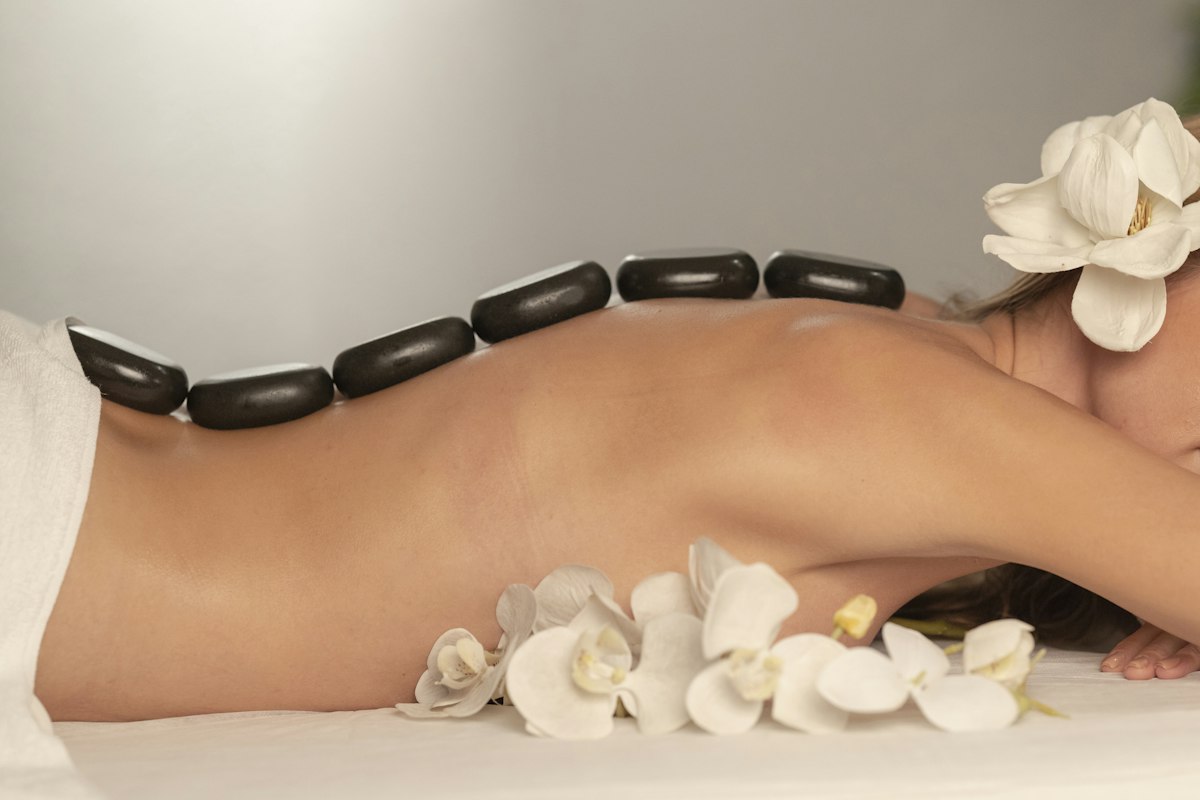
Modern hybrid styles: Many contemporary practitioners blend Thai techniques with Swedish massage, aromatherapy, or hot stone work. Valid and enjoyable, but distinct from classical Nuad Boran.
How to Find an Authentic Thai Massage Practitioner
Look for practitioners who:
- Trained in Thailand (Chiang Mai School of Thai Massage, Wat Po Traditional Medical School)
- Hold certification from the Thai Ministry of Public Health
- Use floor mats and perform the session fully clothed
- Ask about your health history before beginning
- Work from the feet and legs upward in the traditional sequence
Conclusion
Thai massage is not merely a treatment — it is a two-person moving meditation, a conversation between two bodies conducted through breath, pressure, and stretch. Approach it with openness, communicate with your practitioner, and you may discover that 90 minutes of Nuad Boran offers more than most treatments can in twice the time.